What To Know Before You Commit to Solar on Your Commercial Property
If you own or manage a commercial property in Illinois, you’ve likely been targeted by aggressive solar marketing. The pitches sound flawless: turn your massive, underutilized roof into an overnight revenue generator while reducing your operating carbon footprint. But, is it all too good to be true?
Solar roofing is one of the fastest-growing trends in industrial asset management across the Midwest. But we need to look past the glossy marketing brochures. This blog gives you a straightforward, objective assessment of commercial solar, covering structural engineering limitations, technology differences, government policies, and realistic financial returns.
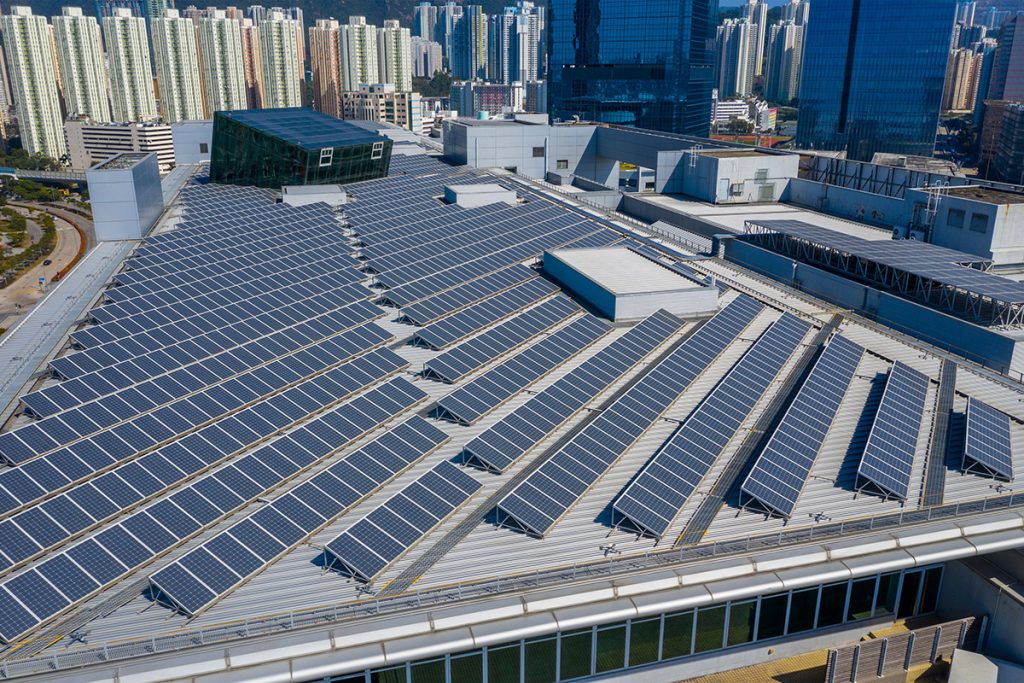
BIPV vs. Conventional Rack-Mounted Systems
When adapting a commercial property for solar energy, the options usually boil down to one decision: do you want your solar tech integrated right into the building’s skin, or do you want to secure the framework on top of it?
There’s no “right” answer. It really comes down to how your facility is built, what your roof membrane looks like, and how much weight your structure can handle. Let’s break down the two main options you’ll have to choose from:
Building-Integrated Photovoltaics (BIPV) / Solar Shingles & Modules
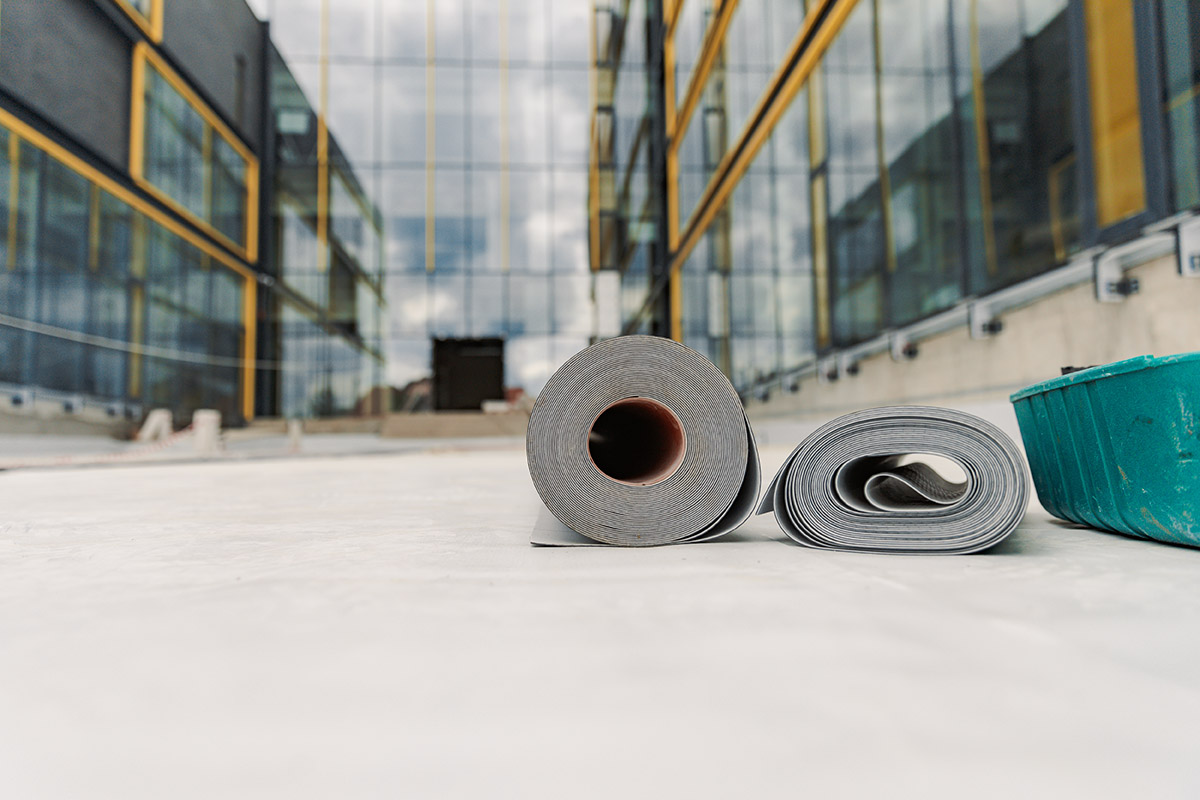
BIPV is integrated directly onto the roof structure. For low-slope or flat roofs, this is usually flexible, thin-film photovoltaic laminates that are applied directly to the surface of a single-ply membrane (like TPO or EPDM), or structured solar “shingles” designed for steep-slope systems.
Pro Tip: BIPV eliminates penetrations in the membrane and protects the architectural profile of your facility. However, thin-film systems have lower energy conversions per square foot compared to panels, so you’ll need a larger footprint to achieve a similar output.
Conventional Rack-Mounted Ballasted or Penetrating Panels
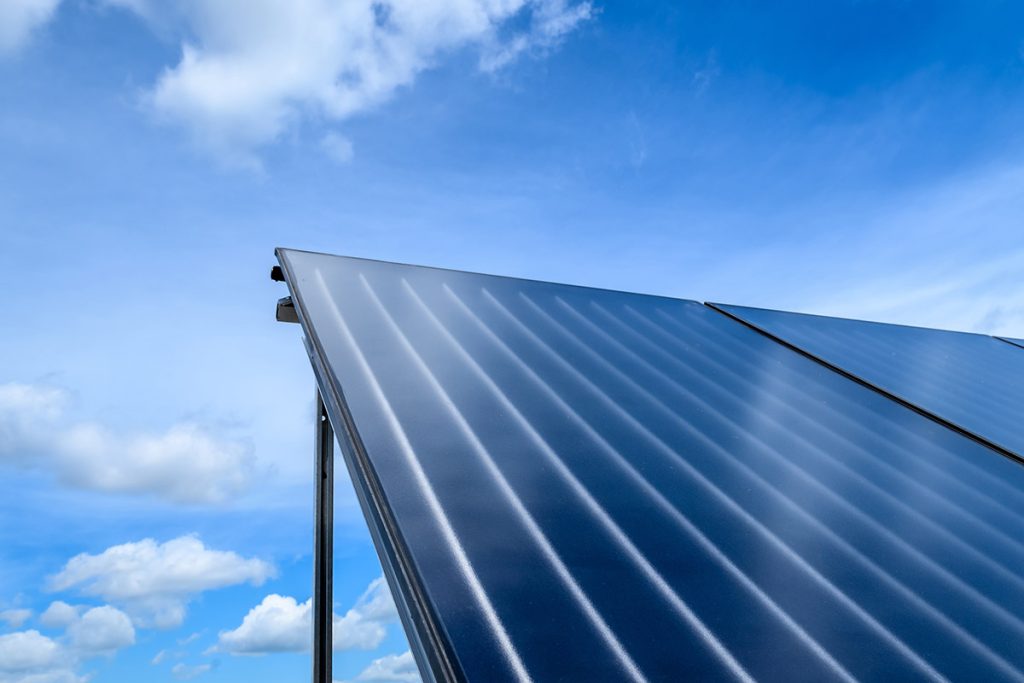
This is a traditional installation that you’ve probably seen before. These systems use standard rigid panel arrays mounted to metal racking systems across flat or low-slope commercial roofs.
Pro Tip: These racks require drilling into the structural decking, which means you’re creating holes that need flashing to stay watertight. If you go with a ballasted system instead, concrete blocks keep the panels grounded. Both these methods introduce a massive amount of dead weight that your building has to be officially rated to handle.
Structural Qualification: What a Commercial Roof Needs Before Approval
Before signing, you’ll have to evaluate the building envelope. Adding a commercial solar array without consulting a structural engineer and a commercial roofer can void warranties or compromise building safety. To qualify, a facility must meet three strict metrics:
- Reserve Weight Capacity (Dead Load): Solar systems aren’t light, and ballasted arrays can add 3 to 6 extra pounds per square foot. Before you load up, a structural engineer needs to verify that your structure has enough capacity to carry extra weight on top of a heavy winter snow load.
- Wind Uplift: Racked solar panels can act like giant sails on top of your building, so you’ll need a structural assessment to guarantee your setup can handle wind speeds without tearing up the membrane or shifting the ballasts out of place.
- Membrane Integrity & Warranty Alignment: If your current roof is getting up there in age, it doesn’t make sense to drop a solar system on top of it. Uninstalling and re-installing an industrial array can cost anywhere from $25,000 to over $100,000, and that price tag can wipe out any savings you’ve accumulated. Plus, you’ll have to loop in your original roofing manufacturer to review the racking plans and make sure the installation doesn’t void existing warranties.
Illinois Policy Realities: Net Metering & Smart Inverter Rebates
Illinois features some of the best clean energy incentives in the nation, driven by the Climate and Equitable Jobs Act (CEJA). However, commercial regulations differ from residential rules.
Net Metering Limits for Commercial Properties
Net metering lets you send extra solar power back to the grid for credits. However, commercial operations have strict capacity caps on full 1-to-1 credits. If your peak demand tops 100 kW, utilities may switch you to hourly or dual-channel pricing rather than a clean dollar-for-dollar offset. Your facility’s daily energy profile dictates whether you get paid at full retail value or lower wholesale rates.
The Smart Inverter Rebate
Illinois also offers perks for non-residential solar setups in the form of a specialized utility rebate based on the direct current (DC) capacity of your system’s smart inverter. Business owners can receive upfront cash per kilowatt (kW) of installed capacity to help take the sting out of initial costs. The only real condition is that your system’s setup has to help stabilize the local power grid.
Other Incentives for Solar Investments & Return on Investment
Going solar in Illinois comes with some solid financial perks. At the local level, many cities and utilities help out with things like faster permitting, lower fees, or property tax relief for solar upgrades. Statewide, Illinois offers strong incentives, including Solar Renewable Energy Certificates (SRECs), which let businesses earn additional income based on how much solar power their system produces.
Illinois Shines is a program that pays commercial system owners for the clean energy credits they produce over 15 to 20 years, so your solar system can serve as a reliable, recurring revenue stream for years to come!
On top of all this, federal incentives like the Investment Tax Credit (ITC) and accelerated depreciation (MACRS) can reduce upfront costs, making commercial solar a much easier investment to justify.
For a typical industrial roof array, an optimized system combined with federal tax credits and state SRECs can yield a realistic payback period of 5 to 8 years. Given that commercial solar hardware is built for a 25-to-30-year operational life, the remaining years deliver pure, unencumbered operational cost reductions for your business!
Cloudy Climates & Solar Energy Production
The big misconception is that overcast weather kills solar production. The Chicago metro area only gets about 189 sunny or partly cloudy days a year, but here’s the truth: solar panels don’t need direct sunlight to generate electricity. They run on ultraviolet and certain visible light spectrums that cut through heavy cloud cover, so a super gloomy day might only drop your production down 10% or 25% from its peak capacity.
The Verdict: An Honest Approach to Commercial Solar
Solar can be a great investment for commercial property owners in Illinois, but only if it’s done right. Before any solar panels go up, we recommend bringing in an independent commercial roofing expert to check the structural deck, the condition of the membrane, and the status of your roof warranty. Starting with a roof-first mindset helps you avoid expensive surprises, protects your building, and sets your investment up for long-term success.
At Waukegan Roofing, we specialize in independent commercial roof evaluations that help property owners avoid costly mistakes and maximize long-term returns. Contact our team today to schedule a roof assessment and move forward with confidence! Your building, your warranty, and your bottom line deserve it.