How Freeze-Thaw Cycles Cause Hidden Commercial Roof Damage in Chicago
Midwestern winters have a mind of their own. One afternoon may feel mild, only for temperatures to plunge well below freezing by nightfall. That back-and-forth swing sets the stage for what roofing professionals refer to as the “freeze-thaw cycle”. Snow and ice may steal the spotlight, but it’s this repeated melting and refreezing that quietly does the most harm. As moisture seeps into small cracks and expands when it freezes, even minor vulnerabilities can turn into costly structural issues. For commercial property owners, recognizing how these cycles impact a roofing system is essential to protecting your investment below.
What Is a Freeze-Thaw Cycle?
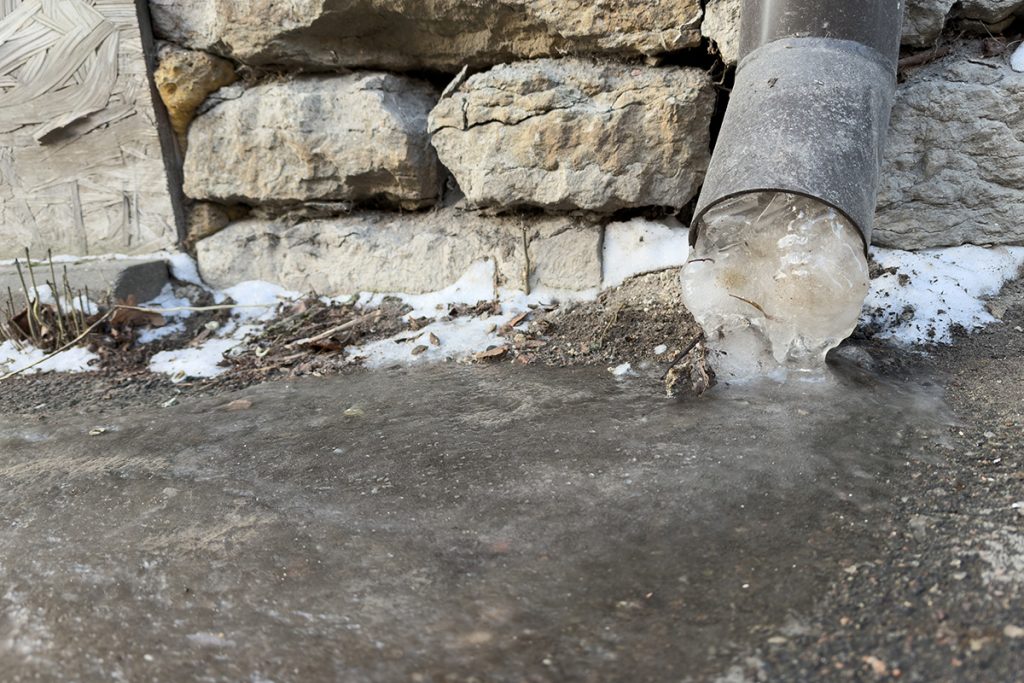
A freeze-thaw cycle begins with something simple: moisture. When ambient temperatures repeatedly swing above and below freezing, that moisture can become a powerful and destructive force. Here’s what happens behind the scenes:
- Daytime warmth causes snow and ice to melt.
- The resulting water seeps into small cracks, seams, flashing gaps, or other weak points.
- As temperatures drop overnight, that trapped water freezes.
- When water freezes, it expands and pushes outward, widening those tiny openings.
- The next thaw allows even more water in, and the cycle starts again.
Each round quietly increases the damage. What starts as a barely visible crack can gradually evolve into severe leaks, membrane separation, and/or structural deterioration. Over time, repeated expansion and contraction turn minor imperfections into serious concerns.
Why Commercial Roofs Are Especially Vulnerable
Commercial roofing systems are built differently than residential roofs, and those differences can make them more vulnerable when freeze-thaw conditions set in.
Flat or Low-Slope Design
Unlike steeply pitched roofs that shed water quickly, flat and low-slope systems allow moisture to linger. When drainage is slow, melting snow has more time to pool, seep into seams, and refreeze as temperatures drop. Together, these factors make proactive maintenance especially important during fluctuating winter conditions.
Multiple Roof Penetrations
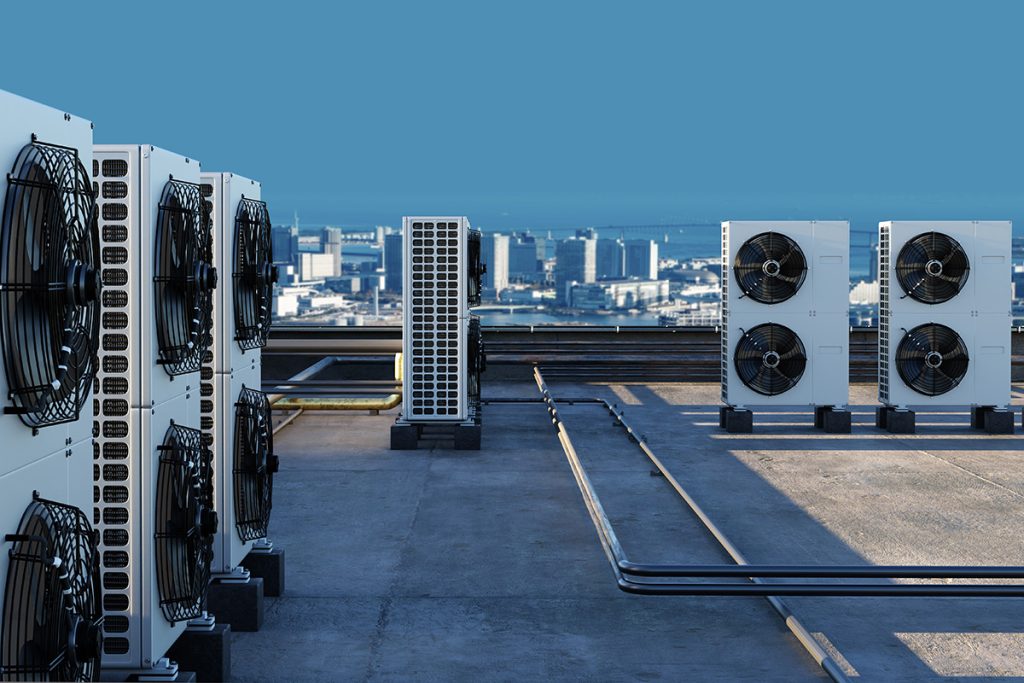
Commercial buildings rely on rooftop equipment like HVAC units, vents, and more. Every penetration requires flashing and sealed seams. Over time, these transition points weaken, creating ideal entry spots for water during thaw periods.
Expansive Surface Area
Commercial roofs cover significant square footage. The larger the surface, the greater the number of seams, joints, and potential stress points. With more exposure comes more opportunity for moisture intrusion and expansion-related damage.
Common Areas Where Freeze-Thaw Damage Occurs
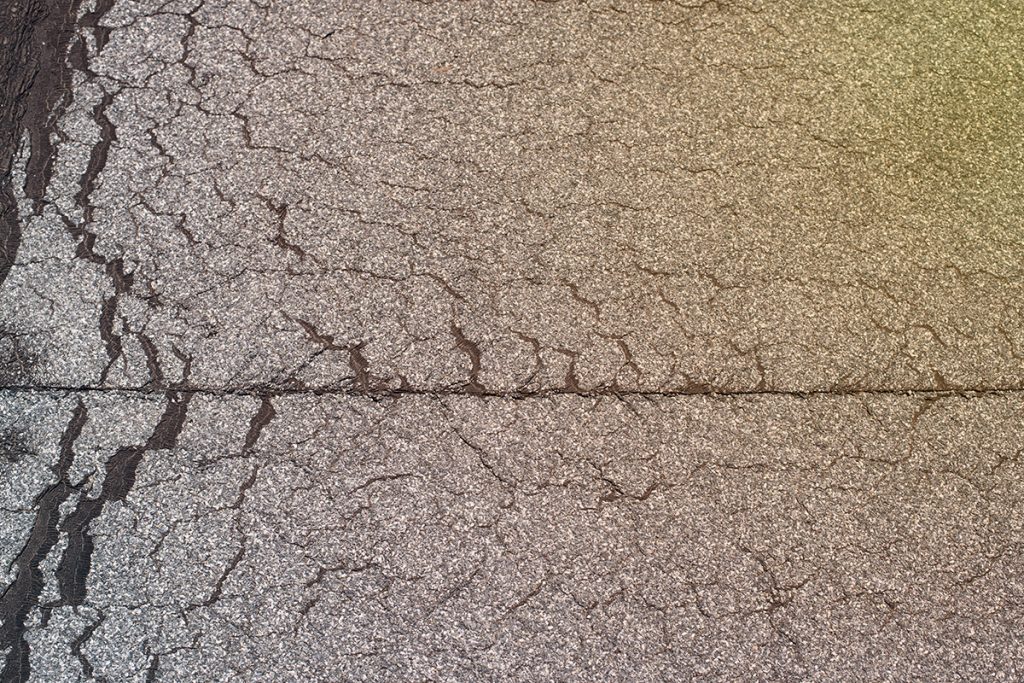
Freeze-thaw stress doesn’t impact just one part of a commercial roof; it targets several of the system’s most critical components. And when these areas begin to fail, the risk of interior damage increases quickly.
Flashing
Flashing is designed to seal and protect joints, seams, and transitions where different roofing elements meet. When trapped moisture freezes and expands, it can loosen or warp flashing materials. Once that protective barrier is compromised, water can slip beneath the membrane and into the building envelope.
Roof Penetrations
The areas surrounding vents, HVAC units, skylights, and mounted equipment are among the most common trouble spots. These penetrations rely on precise sealing and durable flashing. Repeated expansion and contraction can break down sealants, create gaps, and turn once-secure areas into ongoing leak sources.
Drainage Systems
Commercial roofs depend heavily on properly functioning drains, scuppers, and downspouts. When debris blocks drainage or water cannot move off the surface efficiently, pooling occurs. That standing water repeatedly freezes and thaws, increasing membrane stress and accelerating deterioration. Left unaddressed, damage in any of these components can escalate from minor wear to significant structural concerns.
Signs Your Roof May Have Freeze-Thaw Damage
Winter roofing damage often hides in plain sight, especially on large commercial buildings. From the ground, it can be nearly impossible to spot early warning signs, so property owners and facility managers need to stay alert to the subtler cues:
Interior water stains on ceilings or walls
Persistent dampness or wet insulation in the attic or roof cavity
Cracks, blisters, or bubbling on roofing membranes or coatings
Loose or lifted flashing around seams and penetrations
Recurring leaks that appear when temperatures swing
Because much of the damage develops beneath the surface, relying on visual checks alone isn’t enough. Professional inspections are often essential to uncover hidden issues and prevent expensive repairs.
Why Late Winter Is the Ideal Time for Inspection
By this point of winter, commercial roofs have endured weeks, or even months, of freeze-thaw stress. What may have started as minor wear now shows clear signs of damage. Scheduling a professional inspection before spring storms hit gives us a chance to catch issues early and is the most reliable way to protect your roofing system from seasonal stress. Expert maintenance teams can pinpoint weak spots, reinforce vulnerable areas, and make repairs before damage spreads.
Don’t wait until a leak or structural failure forces your hand. With proper care, commercial roofs can weather even the harshest Midwest winters in Chicagoland and the surrounding area. Waukegan Roofing is ready to provide fast emergency response, thorough seasonal maintenance, and strategic guidance to keep your roof performing at its best—so your building, your team, and your investment stays protected year-round!