
What It Means for Illinois Facilities
When most Northern Illinois facility managers think about roof damage, their minds instantly jump to dramatic events: heavy snow loads, ice dams, or high-wind thunderstorms ripping through the Chicagoland corridor. But ask any commercial roofing veteran, and they’ll tell you the truth: summer’s silent combo of intense heat and Midwestern humidity does just as much structural damage behind the scenes.
While your building sits under the blazing summer sun, a series of complex physical reactions are constantly testing your roof. Left unchecked, mid-summer thermal stress can shave years off your roof’s lifespan long before the first snowflake ever hits the deck.
Thermal Cycling: The Daily Expansion & Contraction Rollercoaster
On a hot summer day in Lake County, ambient temperatures in the upper 80s or 90s can push a traditional roof membrane surface well past 150°F. Then, as evening rolls in or a sudden lake-effect thunderstorm sweeps across the area, that surface temperature drops rapidly by 30 degrees or more in a matter of hours.
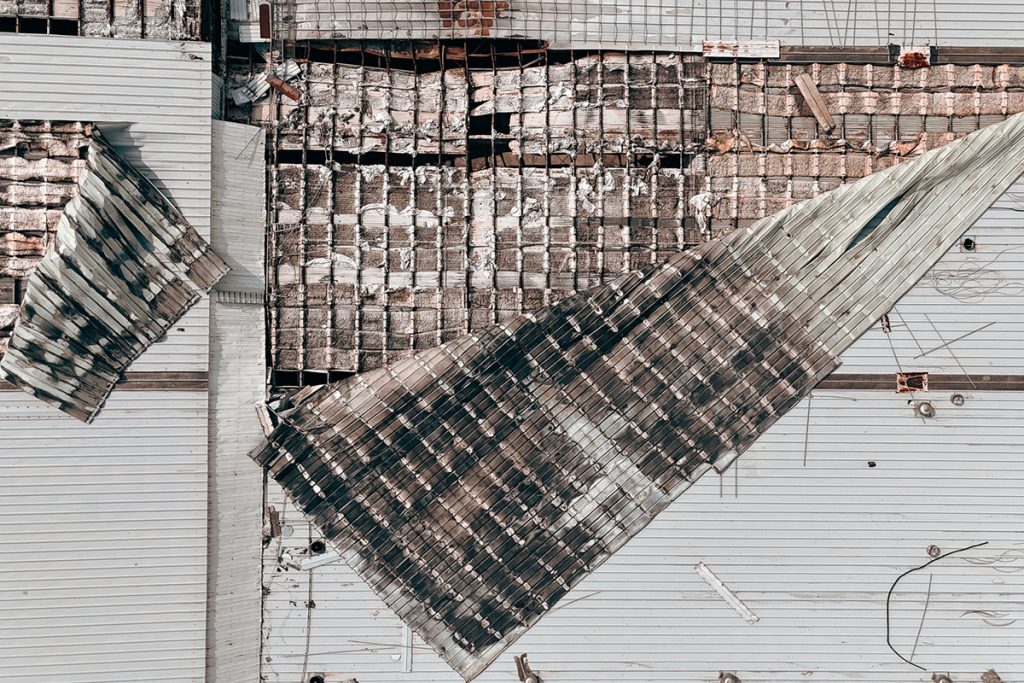
This rapid shift causes thermal shock, a constant process of material expansion during the heat of the day and contraction during the cool of the night. Over time, this repetitive movement puts immense stress on mechanical fasteners, laps, and seams. Membranes pull at perimeter flashing, sealants dry out and split, and minor penetrations widen into open vulnerabilities.
The Hidden Threat: Trapped Moisture & Poor Ventilation
High humidity impacts your roof assembly. When warm, humid air gets trapped beneath an improperly ventilated roof deck, it condenses against the cooler structural components. This moisture weakens insulation boards, degrades structural adhesives, and creates the perfect environment for deck deterioration long before moisture ever enters from the outside.
Ponding Water: Summer Heat’s Magnifying Glass
Midwestern summer downpours often dump several inches of rain in a brief window. If your facility suffers from clogged downspouts or drains, sagging decks, or inadequate slope, standing water will pool. In the roofing industry, water that stays on a low-slope roof for more than 48 hours is classified as ponding. In mid-summer, ponding water is a double threat:
- Solar Magnification: Standing water acts like a magnifying glass under direct sunlight, concentrating intense heat onto localized spots of the membrane that accelerates breakdown.
- Structural Weight & Seam Breakdown: Water weighs roughly 5.2 pounds per square foot per inch of depth. That added weight depresses the deck further, trapping more water, while the standing pool continuously works against membrane seams and penetrations.
Proactive Care vs. Reactive Storm Response
Some property owners treat roofing as an emergency-only discipline, looking for help only when visible damage appears. Phone calls usually come in after the damage is already done—a wet ceiling tile drops onto an employee’s desk, an unsightly water stain ruins an entire office suite, or a violent microburst tears away loose edge flashing. By the time these symptoms appear, water has usually been saturating insulation and weakening the roof deck for weeks or even months.
True roof asset management is about proactive stewardship. Having a routine mid-summer evaluation let us perform quick, localized repairs that can prevent small maintenance fixes from escalating into severe damage, tear-offs, or emergency winter replacements when repairs are logistically difficult and significantly more expensive.
Schedule Your Mid-Summer Roof Health Inspection
At Waukegan Roofing, we’ve spent over 100 years helping Illinois commercial, industrial, and institutional facility managers protect their structural investments year-round. Don’t wait for autumn rains or winter freezes to expose hidden summer wear. Contact us today to schedule a comprehensive, professional roof inspection and keep your facility protected season after season with Waukegan Roofing!


