What Our Chicago Winter Just Did to Your Roof
We all know the feeling…you wake up, look out the window, and see that pristine, sparkling blanket of white covering everything as far as the eye can see. It’s a postcard-perfect winter wonderland, until you realize that several tons of heavy snow and ice are currently pressing down on your roof.
Now that the shovels are (mostly) tucked away for spring, it’s time to talk about what really happens when the snow piles up. Spoiler alert: it’s more than just cold.
The Heavy Math of Snow
Snow isn’t just fluffy; it’s heavy! While a few inches of powdery white snow can feel light and airy, the wetter, heavier snow we often get in Chicagoland can weigh upwards of 20 pounds per cubic foot. If your roof is sporting a foot of the bulky stuff, your structure is doing a massive amount of heavy lifting. Over time, this stress can lead to subtle structural shifts or even ceiling cracks you didn’t notice before.
The Ice Dam Drama
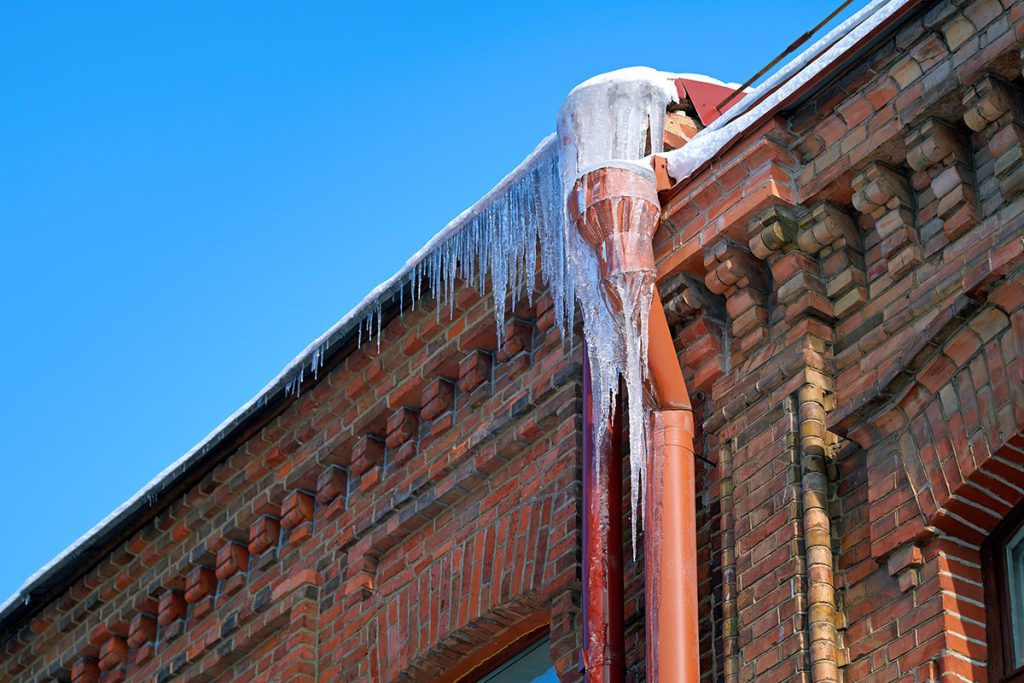
The ice dam is a classic Midwest villain. When heat escapes from your attic, it melts the bottom layer of snow on your roof. That water trickles down to the eaves (which are colder) and freezes solid. The result is a literal dam of ice that traps subsequent meltwater. Since that water has nowhere to go, it forced its way under the membrane and, eventually, into your operating spaces. If you’ve got massive icicles that look like they belong in a cave, your roof is likely crying for help.
Structural Stress & Gutter Groans
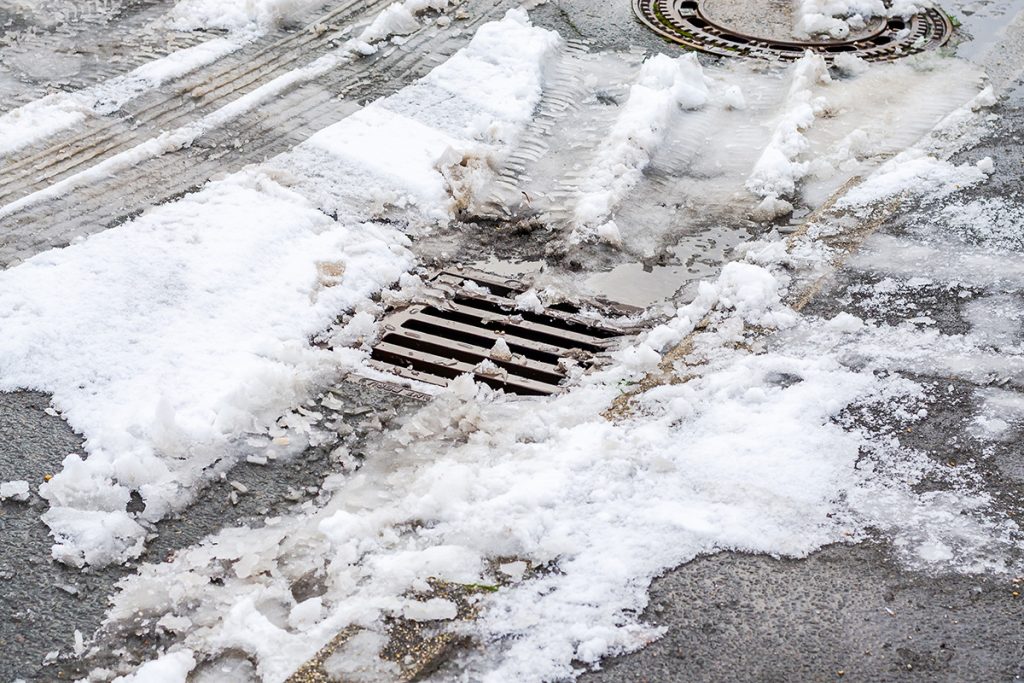
Snow and ice aren’t just heavy, they’re abrasive. As snow slides or shifts, it can cut through the waterproofing or tear up protective sealants. Even worse, if your gutters are full of ice, the weight can cause them to sag and/or pull away from the structure entirely. A gutter that isn’t pitched correctly is basically just an ice tray attached to your building, and that doesn’t help matters when the snow finally starts to melt away.
What Should You Look For Now?
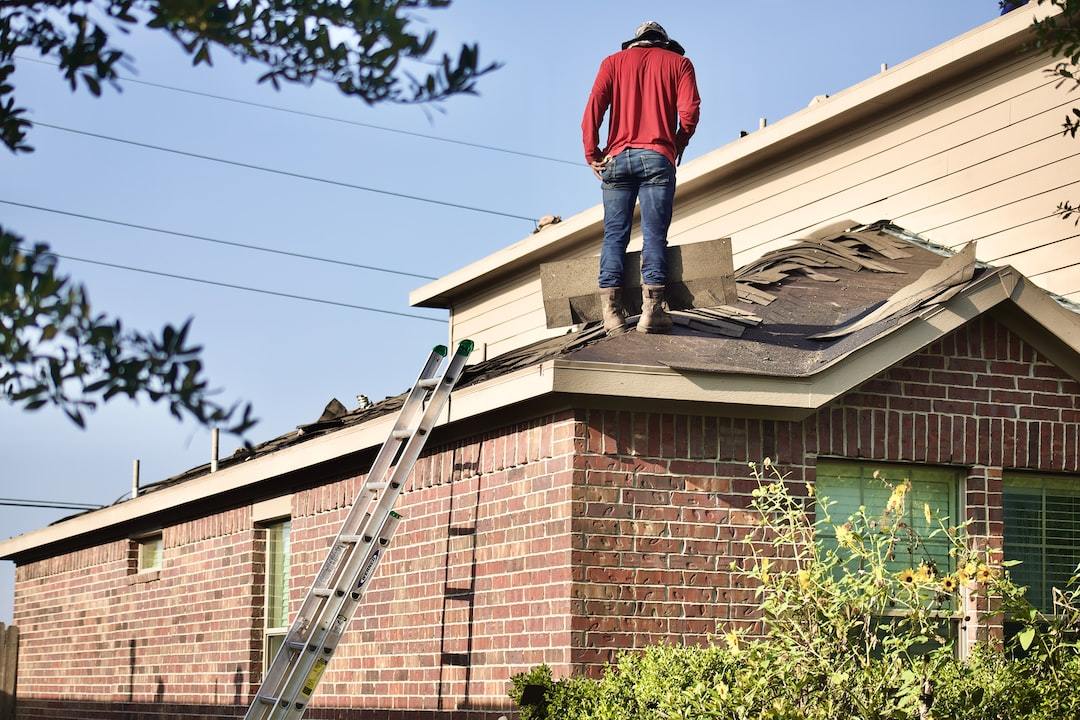
You don’t need to climb a ladder in the slush to play detective. Rooftops in the winter are dangerous, especially for an untrained property owner. Between the hidden patches of black ice and the deceptive fluff that hides a slick patch, it’s a recipe for a very bad day. Your roof can be repaired; your person is a bit more complicated.
Keep an eye out (from the ground, of course) for:
Sagging Ceilings: Check the top floor for any new “dips” in the ceiling
A Water Trail: Look for staining in the attic or around window frames, dark spots on ceilings, or water-damaged drywall near the ceiling.
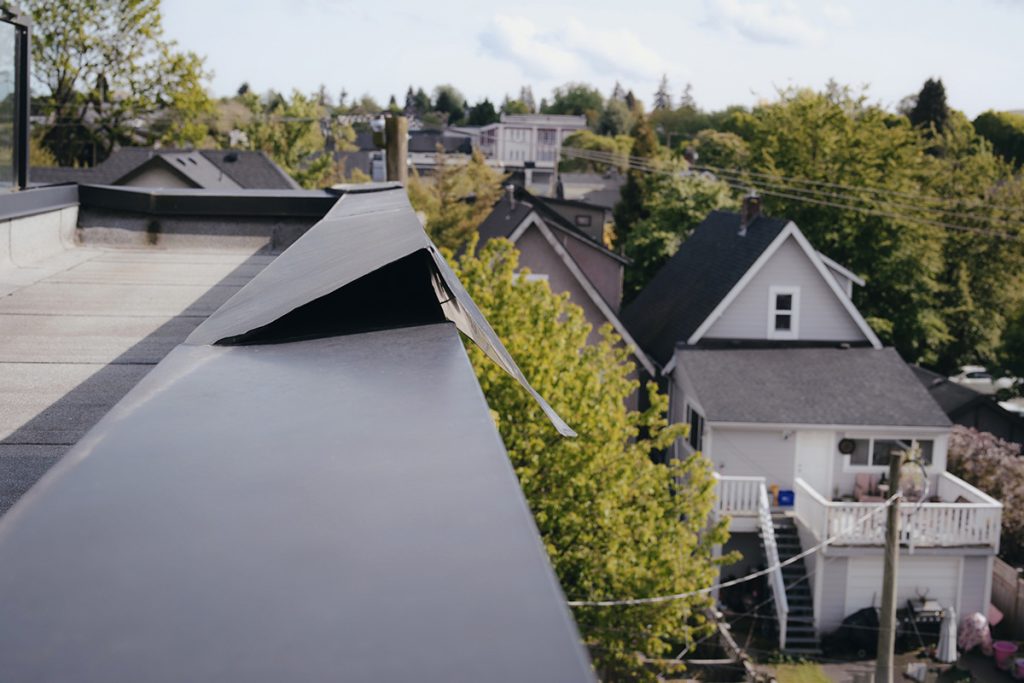
Damaged Flashing: Highly susceptible to expansion and retraction, flashing can become loose or separated at walls and penetrations.
Blisters & Delamination: Moisture trapped beneath the waterproof membrane causes bubbles or blisters, and forces the roofing layers to separate.
While it’s tempting to grab a rake and start pulling snow down yourself as it piles up, be careful. DIY roof clearing often causes more damage to the structure (and the property owner) than the snow itself.
Let’s Get Your Roof a Post-Winter Checkup
Chicagoland roofs are built to withstand our intense winters, but even the strongest heavyweight needs a trainer! If you’re worried about what this season has left behind, Waukegan Roofing is here to take a look and make sure your commercial building is ready for those inevitable spring showers. Questions? Contact the roofing experts with over 100 years of commercial roofing experience at Waukegan Roofing today!